
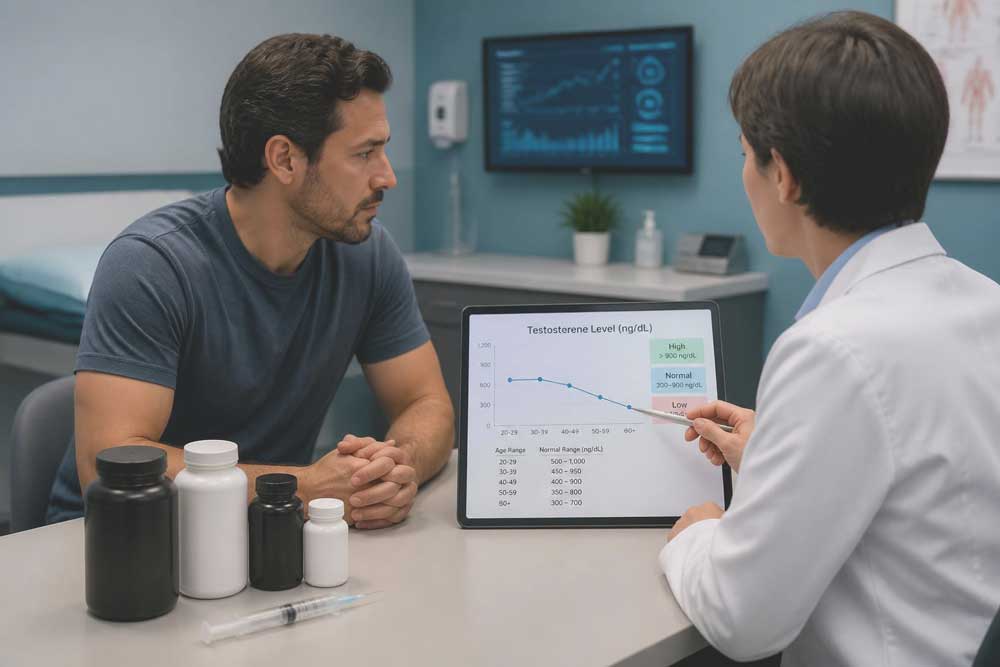
Do Testosterone Supplements Really Work? Science, Myths, and What to Know
Testosterone is one of those words that carries a lot of weight in men’s health conversations. It gets blamed for everything from low energy to poor sex drive, and supplement companies have built entire empires on the promise of boosting it. But do testosterone supplements actually work? Or are they mostly clever marketing dressed up in lab coat language?
If you have ever stood in a supplement aisle staring at labels packed with exotic herbs and bold claims, you are not alone. The confusion is real, and the answers are not as simple as the ads would have you believe. This article breaks down what science actually says, clears up the most common myths, and helps you figure out what is actually worth your attention.
What Is Testosterone and Why Does It Matter?
Testosterone is a hormone produced primarily in the testes in men. It plays a central role in muscle development, bone density, fat distribution, mood, energy levels, and sexual function.
Think of it as one of the key drivers behind what many people consider to be typically male physiological traits.
Testosterone levels naturally peak in early adulthood and then gradually decline, typically by around one percent per year after the age of 30. This slow decline is completely normal, but for some men, levels can drop significantly enough to cause noticeable symptoms like fatigue, reduced libido, difficulty concentrating, and changes in body composition.
This is the biological reality that testosterone supplement marketing latches onto. The idea is simple: if low testosterone causes these problems, then boosting testosterone should fix them.
The logic sounds reasonable, but the science tells a more complicated story.
The Difference Between Testosterone Replacement and Testosterone Supplements
Before going further, it is important to draw a clear line between two very different things.
- Testosterone Replacement Therapy (TRT) is a medically supervised treatment where a doctor prescribes actual testosterone, typically through injections, gels, or patches. It is intended for men who have clinically diagnosed low testosterone, a condition known as hypogonadism. TRT is real, regulated, and has documented clinical effects, though it also comes with risks and side effects that require ongoing medical oversight.
- Testosterone supplements, on the other hand, are over-the-counter products sold as dietary supplements. They do not contain actual testosterone. Instead, they contain herbs, vitamins, minerals, and other compounds that claim to support or encourage the body to produce more testosterone on its own.
This is a crucial distinction. You are not getting testosterone in a bottle. You are getting ingredients that may or may not nudge your body, depending on individual factors and the underlying cause of the hormonal imbalance.
What the Science Actually Says About Common Ingredients
Let us look honestly at the ingredients most commonly found in testosterone supplements and what research suggests about them.
Zinc
Zinc is one of the more legitimate inclusions. Research does suggest that zinc deficiency can suppress testosterone production, and correcting a deficiency may help normalize levels.
However, if you are not deficient in zinc, taking more of it is unlikely to push your testosterone above its natural set point. Supplementing zinc when you already have adequate levels is unlikely to provide benefit and is largely excreted in urine.
Vitamin D
Similar logic applies here. Vitamin D deficiency has been associated with lower testosterone levels, and some studies show that correcting a deficiency can modestly improve hormonal markers. But again, this benefit is largely limited to men who are actually deficient, which many people are, especially in northern climates with limited sun exposure. Getting your levels checked first makes far more sense than supplementing blindly.
Ashwagandha
This is one of the more interesting cases in the supplement world. Ashwagandha, an adaptogenic herb with roots in Ayurvedic medicine, has shown some genuine promise in clinical studies. Research published in respected journals has found that ashwagandha supplementation can modestly but meaningfully raise testosterone levels and improve sperm quality, particularly in men under chronic stress. The mechanism likely involves reducing cortisol, which is a stress hormone that can suppress testosterone when chronically elevated.
This does not mean ashwagandha is a miracle cure. Effects are modest and vary between individuals. But it is one of the more scientifically supported ingredients you will find in this category.
Fenugreek
Fenugreek is another ingredient with some legitimate research behind it. Several studies have shown modest improvements in free testosterone levels and sexual function in men taking fenugreek extract. The effects are not dramatic, but they are real enough that researchers consider it worth investigating further.
D-Aspartic Acid
This amino acid was once considered very promising after early studies showed it could temporarily boost testosterone levels. However, more rigorous follow-up research has produced inconsistent results, with some studies showing no significant benefit. The initial excitement has cooled considerably among researchers.
Tribulus Terrestris
Despite being one of the most popular marketing claims in the testosterone supplement world, tribulus terrestris has repeatedly failed to demonstrate meaningful testosterone-boosting effects in well-designed human studies. It remains popular because it sounds scientific and has a long history of use in traditional medicine, but the current evidence does not strongly support the hype.
The Honest Reality About Testosterone Supplements
Here is the bottom line, delivered plainly: for most healthy men with normal testosterone levels, over-the-counter testosterone supplements are unlikely to produce noticeable hormonal changes. The effects, where they exist at all, tend to be modest, and they are most relevant for men who have specific deficiencies or health conditions that are suppressing natural production.
That said, dismissing all supplements entirely would also be intellectually dishonest. Correcting genuine nutritional deficiencies, managing stress, improving sleep quality, and supporting metabolic health can all have real positive effects on testosterone levels. If a supplement helps you address one of those underlying factors, it may be doing real work indirectly.
The problem is not that supplements are entirely useless. The problem is the gap between what they actually do and what they are marketed to do.
What Actually Moves the Needle on Testosterone
If you are concerned about your testosterone levels, lifestyle changes are far more impactful than any supplement on the market.
Regular resistance training, particularly compound movements like squats and deadlifts, is consistently shown to support healthy testosterone levels. Adequate sleep is equally important, as the majority of daily testosterone production occurs during deep sleep cycles. Chronic sleep deprivation measurably lowers testosterone.
Body weight also matters. Excess body fat, particularly visceral fat around the abdomen, is associated with lower testosterone and higher estrogen levels due to a process called aromatization. Losing body fat through diet and exercise can meaningfully improve hormonal balance.
Reducing chronic stress through whatever means works for you, whether that is exercise, meditation, therapy, or lifestyle restructuring, helps keep cortisol in check and allows testosterone to function more freely.
These are not exciting answers. They do not come in a convenient capsule. But they are what the evidence actually supports.
When Testosterone Issues Are About More Than Hormones
Sometimes what presents as a testosterone problem is actually layered. Men dealing with low energy, reduced sexual desire, or erectile difficulties may attribute everything to hormones when the reality is more complex.
Erectile dysfunction, for instance, is often vascular in nature, driven by poor blood flow rather than low testosterone alone. Research on the National Institutes of Health website indicates testosterone therapy is not consistently effective at resolving ED when the root cause is circulatory rather than hormonal.
This is why it is worth exploring evidence-based, non-invasive options that address the physical mechanisms directly. Andromedical specializes in this approach, offering medically certified devices designed to support men dealing with erectile dysfunction, Peyronie’s disease, and related concerns. For men who want to explore non-pharmaceutical, device-based treatments for erectile dysfunction, their solutions are built on clinical research rather than marketing promises.
Common Myths About Testosterone Supplements
Myth: More Testosterone Always Means Better Performance
Testosterone operates within a range, and for most men, artificially pushing above that range does not improve function and can actually cause problems. The relationship between testosterone and well-being is not simply linear.
Myth: Natural Means Safe
Natural ingredients can still carry risks, interact with medications, and cause side effects.
Ashwagandha, for example, may not be appropriate for men with thyroid conditions. Always consult a healthcare provider before starting any supplement regimen.
Myth: If You Feel Tired or Have a Low Libido, Your Testosterone Must Be Low
Fatigue and reduced libido have dozens of potential causes, including poor sleep, depression, thyroid dysfunction, cardiovascular issues, nutritional deficiencies, and relationship stress.
Assuming the problem is testosterone without getting tested is a guess, not a diagnosis.
Myth: Supplements Are Regulated Like Medications
In the United States, dietary supplements are not held to the same pre-market approval standards as pharmaceutical drugs. Manufacturers do not have to prove their products are effective before selling them. This means you are largely trusting marketing claims that have not been independently verified.
Should You Get Your Testosterone Tested?
If you are genuinely concerned about your hormone levels, the most useful first step is getting a blood test. A simple test measuring total testosterone, free testosterone, and potentially other hormones like LH, FSH, and SHBG can give you and your doctor a real picture of what is happening.
From there, any intervention, whether lifestyle changes, medical treatment, or targeted supplementation, can be grounded in actual data rather than guesswork.
Self-diagnosis and supplement experimentation without testing is how most men end up spending significant money without meaningful results.
A Word on Combined Approaches to Men’s Health
One area where supplements can make genuine sense is as part of a broader, holistic health strategy. A man who improves his sleep, manages stress, exercises consistently, corrects nutritional deficiencies, and uses medically validated tools for specific concerns is creating a real environment for improvement.
Andromedical’s philosophy aligns closely with this kind of integrated thinking. Their devices are designed to work within a complete approach to men’s health, not as standalone miracles.
When device-based therapy, medical guidance, and foundational health habits work together, results are far more realistic and sustainable than any single supplement could offer on its own.
Conclusion: Get Informed Before You Get Sold To
Testosterone supplements occupy a strange space in men’s health. Some ingredients have genuine, if modest, scientific support. Others are largely built on tradition and marketing. And the gap between what these products are marketed to do and what they can actually deliver remains significant for most men.
The smartest approach is to start with real information. Get tested. Talk to a healthcare provider.
Focus on the fundamentals that consistently show up in the research, such as sleep, exercise, stress management, and nutrition. And if you are dealing with specific sexual health concerns like erectile dysfunction or Peyronie’s disease, explore evidence-based options designed for those exact issues.
Andromedical is a resource worth knowing about for men who want science-backed, medically sound solutions rather than quick fixes. Whether you are just starting to research your options or are ready to take action, approaching your health with clear eyes and good information is always the right first move. Reach out today.