
How to Prevent Sexual Impotence
Sexual impotence, more commonly known as erectile dysfunction (ED), is something millions of men deal with at some point in their lives. Yet it remains one of the most under-discussed health topics, often wrapped in unnecessary shame and silence. The truth is, impotence is largely preventable, and in many cases, even reversible. Understanding what causes it is the first step toward keeping it from becoming a problem in the first place.
This article breaks down the real, evidence-based steps you can take to protect your sexual health and why they matter far more than you might think.
What Actually Causes Sexual Impotence?
Before you can prevent something, you need to understand where it comes from. Erectile dysfunction is not a single condition with a single cause – it is the result of multiple overlapping factors that affect blood flow, hormones, nerve function, and psychological well-being.
Physical causes include cardiovascular disease, high blood pressure, diabetes, obesity, and low testosterone. These conditions directly interfere with the body’s ability to produce and sustain an erection. Psychological causes – anxiety, depression, relationship stress, and performance pressure – can be just as disruptive, sometimes even more so.
What makes impotence particularly tricky is that physical and psychological causes often feed into each other. One bad experience in the bedroom can create anxiety, which then makes the next experience harder, which builds more anxiety. It becomes a cycle that is difficult to break without addressing both sides.
Lifestyle Changes That Make a Real Difference
Keep Your Heart Healthy
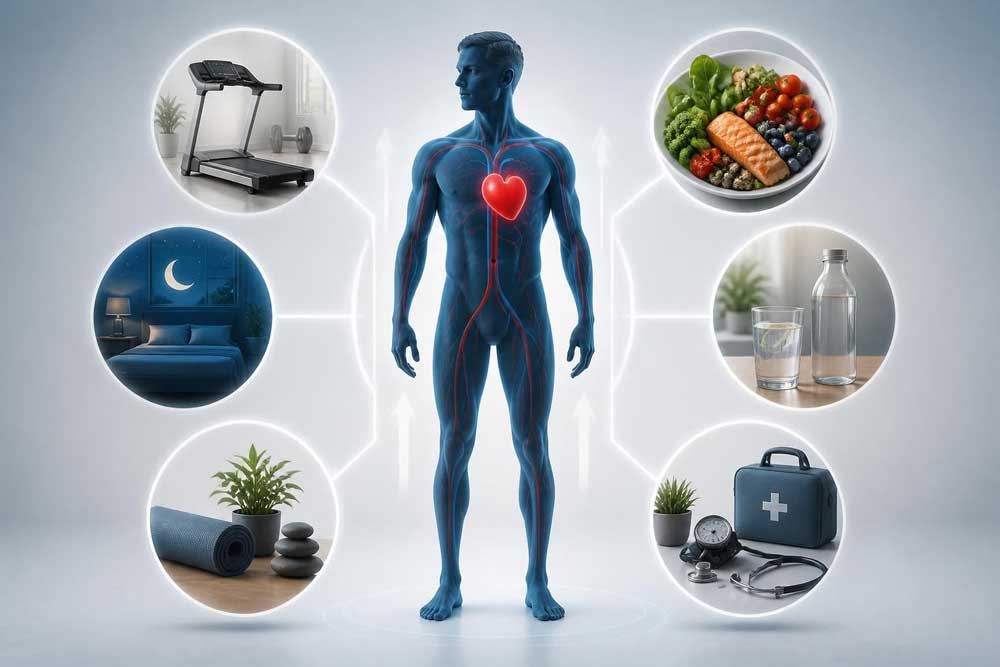
Your erections depend on blood flow, and your blood flow depends on your cardiovascular health. A healthy heart supports healthy arteries, including the blood vessels that supply the penis. Regular aerobic exercise, whether that is jogging, cycling, swimming, or even brisk walking, significantly reduces the risk of developing ED.
According to research published in the Journal of Sexual Medicine, men who exercise regularly have a substantially lower risk of erectile dysfunction compared to sedentary men. Even modest improvements in fitness can translate directly into better sexual performance.
Watch What You Eat
Diet plays a more direct role in sexual function than most men realize. Diets high in processed food, saturated fat, and sugar contribute to obesity, high cholesterol, and insulin resistance, which may affect the blood vessels needed for healthy erections.
On the other hand, a Mediterranean-style diet rich in vegetables, lean protein, whole grains, and healthy fats has been shown to support erectile function. Think of food as long-term infrastructure maintenance for your body.
Maintain a Healthy Weight
Obesity is one of the strongest predictors of erectile dysfunction. Excess body fat contributes to hormonal imbalance, particularly lower testosterone levels, and puts significant strain on the cardiovascular system. For overweight men, gradual and sustainable weight loss may help improve erectile function and overall health.
Limit Alcohol and Quit Smoking
Alcohol and smoking are two of the most common and preventable contributors to sexual impotence. Alcohol may lower inhibitions in the short term, but chronic heavy drinking damages blood vessels and suppresses testosterone production. Smoking restricts blood flow by narrowing arteries – a problem that directly and immediately affects erectile function.
Quitting smoking is one of the most effective single actions a man can take to protect his sexual health. The improvement in vascular function begins relatively quickly after cessation.
Managing Stress and Psychological Wellbeing
This is the area most men overlook, and it is arguably the most important. Chronic stress triggers the release of cortisol, which suppresses testosterone and disrupts the hormonal balance needed for a healthy sex drive and consistent erections.
The impact of stress and anxiety on erectile function is well-documented and significant.
Performance anxiety in particular creates a feedback loop that can make occasional erectile difficulties evolve into a persistent problem. Addressing stress through regular exercise, quality sleep, mindfulness practices, and open communication with a partner is not soft advice – it is clinically supported guidance.
If anxiety or depression is a driving factor, speaking with a therapist who specializes in sexual health or cognitive behavioral therapy can be genuinely transformative.
Hormonal Health and Regular Checkups
Low testosterone is a contributing factor in many cases of erectile dysfunction, particularly in men over 40. Symptoms of low testosterone include reduced libido, fatigue, difficulty concentrating, and changes in mood, as well as difficulty achieving or maintaining erections.
Getting your testosterone levels checked as part of a regular health checkup is straightforward and often overlooked. A primary care physician or urologist can run a simple blood panel that reveals a great deal about your hormonal health. Do not wait until the problem becomes significant before getting checked.
Medications That Can Affect Sexual Function
Certain medications – including some antidepressants, blood pressure medications, and antihistamines – can contribute to erectile dysfunction as a side effect. If you are experiencing sexual impotence and are on any long-term medications, it is worth discussing this with your doctor. Never stop a prescribed medication without medical guidance, but know that alternatives or dosage adjustments may help.
Non-Invasive Devices That Support Erectile Health
Prevention does not always mean medication. For men who want to take a proactive approach to maintaining erectile function – or who are already noticing early signs of difficulty – medical-grade devices offer a clinically supported, non-invasive option.
Vacuum erection devices, for example, work by drawing blood into the penis using gentle suction, which can help maintain penile tissue health and support erectile function over time.
The Androvacuum vacuum erection device is designed for men looking for a non-invasive support option for erectile difficulties. Before using any device for ED, it is best to follow product instructions carefully and speak with a healthcare professional, especially if you have a bleeding disorder, take blood thinners, or have another medical condition.
For men who have already been diagnosed with ED, or who are recovering from prostate surgery, traction-based devices can also play a meaningful role in recovery and rehabilitation.
Frequently Asked Questions
Can sexual impotence be fully prevented?
In many cases, yes – particularly when the underlying causes are lifestyle-related. Cardiovascular health, weight, smoking, and stress management are all modifiable factors. Starting early and making consistent lifestyle choices dramatically reduces risk.
At what age should men start thinking about this?
There is no minimum age. Erectile dysfunction is increasingly reported in men in their 30s and 40s. Building healthy habits early is always the most effective strategy.
Is impotence always permanent once it starts?
Not at all. Many men experience temporary or situational erectile dysfunction that resolves with lifestyle changes, stress reduction, or appropriate treatment. Even chronic ED has multiple effective treatment options available.
Taking Steps to Prevent Sexual Impotence
Sexual impotence is not inevitable, and it is not something you simply have to accept. Whether you are looking to prevent it entirely, manage early symptoms, or find solutions after a diagnosis, the path forward involves a combination of informed lifestyle choices, honest conversations with your doctor, and access to the right tools.
If you are already dealing with erectile difficulties or want to understand your options more fully, explore the available treatments for erectile dysfunction and find a medically sound approach that fits your situation. Taking action early, before the problem becomes entrenched, is always the smarter move.